Introduction
In the globe of building and civil engineering, paving is an important aspect that dramatically affects the long life and efficiency of roadways. Among one of the most crucial elements usually overlooked by several is the base layer. This foundational aspect plays a crucial function in guaranteeing that asphalt roads can withstand the examination of time and heavy traffic loads. In this write-up, we will certainly dig deep into Creating Resilient Roads: The Significance of Base Layers in Paving, exploring different aspects such as grading, drainage, sealcoat, overlay strategies, and striping, all while stressing just how these components add to durability.
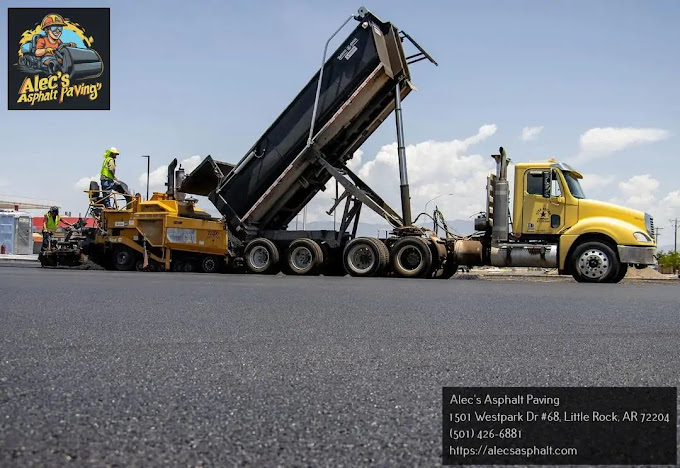
Creating Sturdy Roadways: The Significance of Base Layers in Paving
Base layers function as the foundation for any paving job. They give architectural support and disperse tons uniformly across the surface area. Without a well-constructed base layer, even the highest quality asphalt can fail prematurely due to fracturing, deformation, or various other types of distress.

What Are Base Layers?
The base layer is typically composed of various materials such as crushed rock, gravel, or recycled asphalt sidewalk (RAP). These products are meticulously picked and compressed to form a solid foundation for additional layers, including sub-base and surface area layers.
Why Are Base Layers Important?
Load Distribution: A durable base layer aids to spread out the weight of vehicles over a bigger area, lowering anxiety on underlying soil. Drainage: Effectively made base layers promote water drainage away from the surface area, thereby reducing disintegration and possible damage. Longevity: Quality base layers expand the life-span of the whole highway system by preventing early failure.The Role of Grading in Roadway Construction
Grading is a vital process that entails progressing and shaping the ground prior to any kind of paving takes place. This action makes certain that water moves far from the road surface instead of merging on it.
How Does Grading Affect Base Layers?
- Ensures correct density for every layer Improves drainage capabilities Facilitates efficient compaction
Techniques Made use of in Grading
Cut-and-Fill Method: This includes eliminating planet from higher areas (cut) and utilizing it to fill up reduced areas (fill). Laser Grading: A more advanced technique that uses lasers to make certain precision in leveling.Understanding Drainage Systems
Effective drainage systems are vital for keeping road honesty. Water buildup can bring about significant concerns like holes and cracks.
Types of Drainage Solutions
- French Drains: These contain perforated pipes bordered by gravel to route water away from paved surfaces. Curb Drains: Situated at curbsides to collect runoff water effectively.
Why Is Drainage Essential?
Water invasion can compromise both the base and surface layers in time, bring about architectural failures.
Materials Used for Base Layers
The option of product substantially affects both performance and durability.
Common Materials
Crushed Stone: Deals exceptional load-bearing capacity. Gravel: Economical however calls for mindful choice based on size. Recycled Asphalt Sidewalk (RAP): An environment-friendly option that also offers good support.Material Properties
|Product|Load-Bearing Ability|Price|Ecological Influence|| ------------------|-----------------------|--------|----------------------|| Crushed Stone|High|Medium|Low|| Crushed rock|Moderate|Reduced|Tool|| Recycled Asphalt|Moderate|Medium|High|
Compaction Techniques for Base Layers
Compaction is needed for achieving optimum thickness within your base layer materials.
Methods of Compaction
Rollers: Heavy machinery used primarily for huge areas. Plate Compactors: Suitable for smaller jobs or tight spaces.Why Compaction Matters?
Proper compaction minimizes spaces within products, enhancing load distribution and resistance versus deformation.
Asphalt Overlay Techniques
Asphalt overlays involve putting a brand-new layer over an existing sidewalk surface area to recover capability without totally restoring it.
Benefits of Asphalt Overlays
Improved ride quality Extended lifespan Cost-effectiveness compared to full reconstructionWhen Should You Consider an Overlay?
If your existing pavement shows signs like small breaking or unequal surfaces yet remains structurally audio, an overlay might be a perfect solution.
Importance of Sealcoating
Sealcoating gives a safety barrier against dampness infiltration and UV rays which can deteriorate asphalt over time.
Benefits of Sealcoating
- Prevents oxidation Enhances appearance Reduces maintenance costs
When Needs to You Sealcoat Your Pavement?
Typically every 2-- 3 years depending upon climate condition and web traffic loads is a good idea for optimal protection.
Striping for Visibility
Proper striping increases safety by marking lanes clearly on smooth roads.
Types of Striping Materials
Paint Thermoplastic TapeHow Does Striping Contribute to Roadway Safety?
Well-marked lanes direct vehicle drivers efficiently helping reduce crashes caused by confusion or misdirection.
FAQ Section
What Is The Function Of A Base Layer In Paving?
The base layer provides architectural support while distributing weight equally across the surface area which improves sturdiness versus hefty loads.
How Do Grading And Drainage Interact In Road Construction?
Effective grading makes certain correct drainage circulation far from paved surfaces protecting against water-related damages like splits or cracks.
Can I Make use of Recycled Materials For The Base Layer?
Yes! Recycled materials such as https://telegra.ph/Changing-Your-Driveway-with-Expert-Striping-Techniques-01-28 RAP can use both environmental advantages and toughness when appropriately used in base layers.

How Commonly Ought to I Sealcoat My Asphalt Driveway?
It's suggested every 2-- 3 years relying on ecological conditions such as weather exposure or website traffic quantity experienced by your driveway's surface area over time.
What Are The Indicators That An Asphalt Overlay Is Needed?
Signs might consist of minor surface area cracking or use yet not comprehensive structural problems showing complete restoration would be necessary instead!
What Elements Impact The Lifetime Of A Highway System?
Factors include worldly high quality made use of throughout building procedures; maintenance methods adopted thereafter; environmental impacts like weather condition patterns affecting overall wear-and-tear rates experienced throughout its lifecycle!
Conclusion
In recap, producing sturdy roadways depends upon comprehending the relevance of base layers in paving tasks. From grading strategies to efficient drainage options-- each part plays a pivotal duty in guaranteeing resilient roads capable of withstanding heavy traffic loads while being cost-efficient over their life expectancy! By focusing on these foundational components during intending stages-- construction experts can assure safer journeys in advance! Always bear in mind that spending upfront into quality base layers will certainly conserve you cash-- and migraines-- in future repair services down the line!